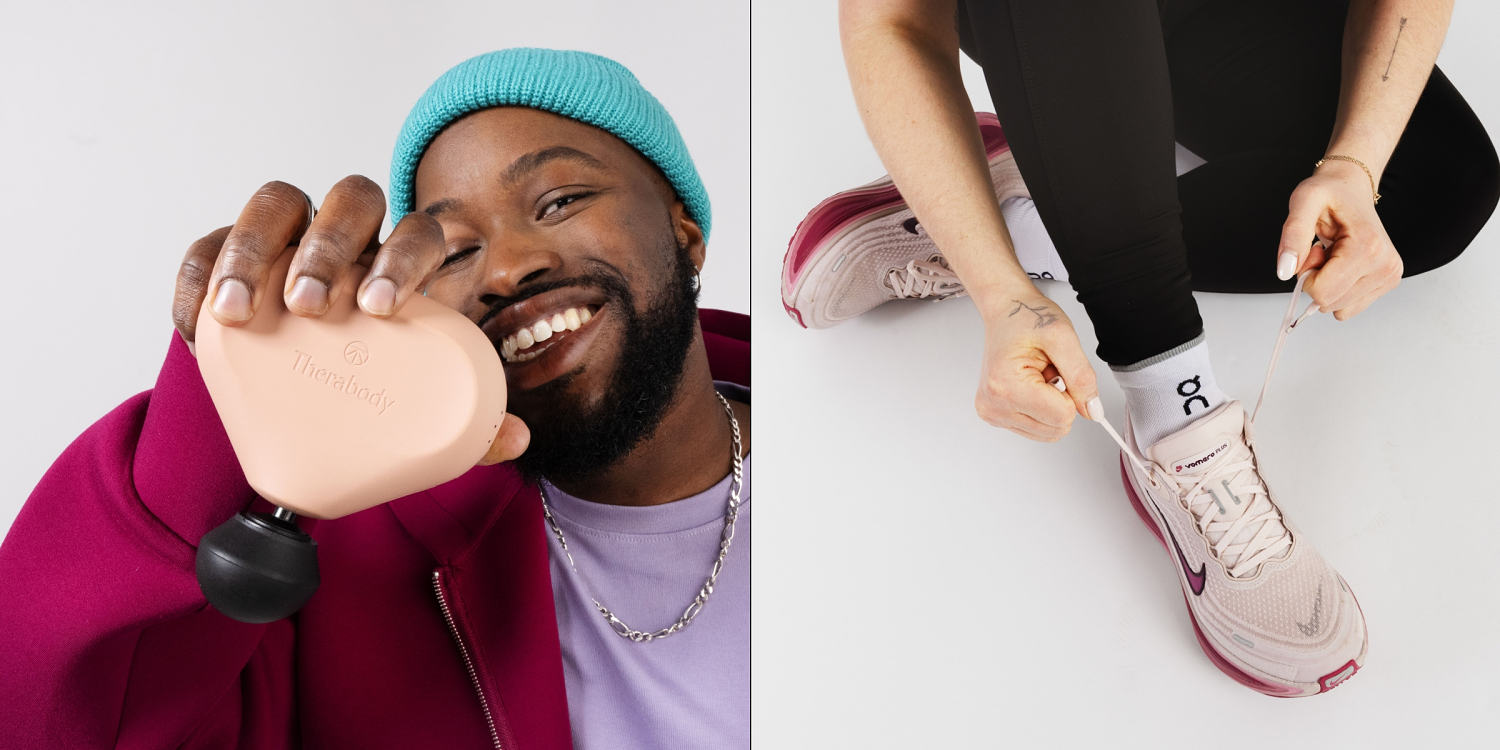
Most first-time marathoners spend weeks scrolling through online shopping carts, paralyzed by the fear that one missing piece of equipment will ruin their race. You don’t need a twenty-item tactical vest or five pairs of specialty shorts to cross a finish line. You need gear that won't shred your skin, shoes that fit your feet after they swell on mile eighteen, and enough common sense to test everything during training rather than on race morning.
Running 26.2 miles exposes every flaw in your equipment. A seam that feels fine at mile two turns into a jagged razor blade by mile fourteen. Let's look at what actually matters when you're preparing for a marathon, skipping the marketing fluff and focusing on the items that keep you moving.
The Anti-Chafing Reality Check
Fabric and sweat create friction. Friction creates pain. If you skip anti-chafing balm, you are gambling with your skin.
Long-distance running turns body parts against each other through relentless repetitive motion. Applying a specialized anti-chafe stick to your inner thighs, underarms, and any spot where your sports bra or shirt seams press against your skin is non-negotiable. Don't wait until race day to try this. Put it on during your longest training runs. Further reporting on this matter has been published by Bleacher Report.
One smart trick most beginners miss: swipe a bit of anti-chafe balm across the top and sides of your feet. It reduces the hot spots where blisters form when your socks bunch up inside damp shoes.
Pockets and Storage Solutions
Carrying your gear for four hours requires more than standard athletic wear. Leggings with flimsy pockets will bounce aggressively with every stride, driving you crazy before you hit the halfway mark.
Sports bras or running shorts with secure, flush pockets change the equation. Look for options that hold your phone tightly against your back or midsection to eliminate vertical bouncing. If you prefer a running belt, test it with your phone, keys, and nutrition gels loaded up. If it rides up your torso while you stride, throw it away and find a lower-profile alternative.
Hydration vests are lifesavers for long training blocks when water stations are miles apart. Make sure to check the specific rules of your target race. Some major marathons restrict large hydration reservoirs for security reasons, while front-flask vests usually get the green light.
Footwear, Socks, and Post-Race Reality
Your choice of running shoes dictates whether you finish upright or limping. Go up half a size from your normal street shoes. Your feet swell significantly over the course of a long run, and cramped toes mean bruised toenails that eventually fall off.
Pair those shoes with technical moisture-wicking socks. Cotton socks hold sweat against your skin, guaranteeing blisters. Cushion levels depend on personal preference, but seamless construction is mandatory.
When you finally cross that finish line, your internal temperature plummets instantly because your metabolism slows down and your sweat evaporates. Race organizers hand out foil blankets for a reason, but having a dry change of clothes in your checked bag makes a massive difference. Pack an oversized hoodie and loose sweatpants. Shivering in damp gear while waiting to get home ruins a great post-race buzz.
Stop stressing over luxury gadgets and focus on the fundamentals. Protect your skin, secure your nutrition, and test every single item during your training blocks.


