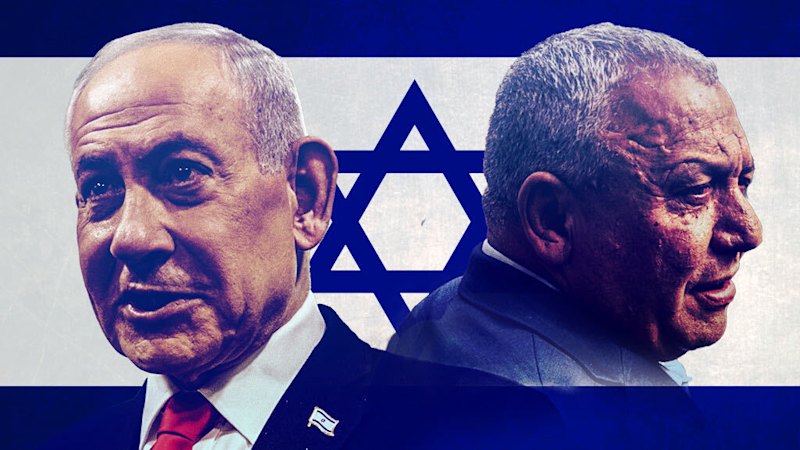
Political survival looks a lot like standing still while everyone else exhausts themselves running in circles. Benjamin Netanyahu just proved that rule once again. As the dust settles on Israel's latest general election, exit polls and early tallies point to a brutal, grinding deadlock rather than a clean knockout. Both Netanyahu and his main challengers have stepped up to claim a mandate, but the hard reality is far messier. For a leader who has dominated Israeli politics for almost two decades, walking away from a razor-thin tie with his political life intact isn't just surviving. In the ruthless theater of modern governance, fighting your opponents to a standstill counts as a massive victory.
If you expected a decisive referendum to sweep away the old guard, you misread the room entirely. Millions of Israelis rushed to the polls with fierce determination, hoping to finally turn the page on Netanyahu and the far-right factions that have kept him tethered to power. Yet, political gravity works differently for Israel's longest-serving prime minister. He remains wounded, heavily scrutinized, and deeply polarizing, but he is far from defeated.
The Anatomy of a Political Stalemate
Let's look at how we got here. This election marks the first national vote since the devastating October 7 attacks and the subsequent multi-front wars that reshaped the region. Emotions are raw, public trust is fractured, and every single ballot feels like an existential statement. Opponents point to years of compounding crises, accusing the administration of prioritizing political survival over national stability. On the other side, conservative loyalists view Netanyahu as the only statesman tough enough to navigate hostile neighbors and international pressure.
When exit polls flash a deadlock, seasoned political observers know what follows. It triggers weeks of grueling backroom horse-trading, coalition building, and intense pressure campaigns. Rivals like former army chief and Yashar party leader Gadi Eisenkot hoped a wave of public anger would cleanly break Netanyahu's grip. Instead, the numbers show a fragmented electorate that refuses to offer an easy consensus to either side. As discussed in recent reports by NPR, the results are worth noting.
Why a Draw Favors the Incumbent
In politics, challengers need momentum, clarity, and an undeniable majority to unseat a deeply entrenched incumbent. Incumbents just need chaos, division, and enough leverage to keep the pieces from falling apart. By wrestling his opponents to a draw, Netanyahu successfully denied his critics the decisive mandate they desperately needed to form a stable alternative government.
When no single bloc secures a clear majority, the person with the most ruthlessness and institutional muscle usually holds the cards. Netanyahu understands the levers of Israeli coalition politics better than anyone else alive. He has spent decades mastering the art of political survival, outlasting domestic rivals, foreign leaders, and legal troubles alike. A tie allows him to keep playing the game on his terms, buying time while his opponents scramble to find a unified strategy.
What Comes Next for Israeli Politics
The immediate aftermath brings no grand resolution, only a continuation of the political turbulence that has defined the country for years. Forming a government will require stitching together fragile alliances with minor factions, leading to endless compromises and policy paralysis.
Voters on both sides are exhausted by the endless cycle of elections and political posturing. Yet, until a genuine political force manages to build a broad, undeniable coalition that captures the center ground, leaders like Netanyahu will keep finding ways to defy gravity.
Don't mistake a deadlock for weakness. In high-stakes power struggles, surviving to fight another day is half the battle won. The real test isn't whether Netanyahu can win outright—it's whether his opponents will ever figure out how to beat a politician who refuses to fall.