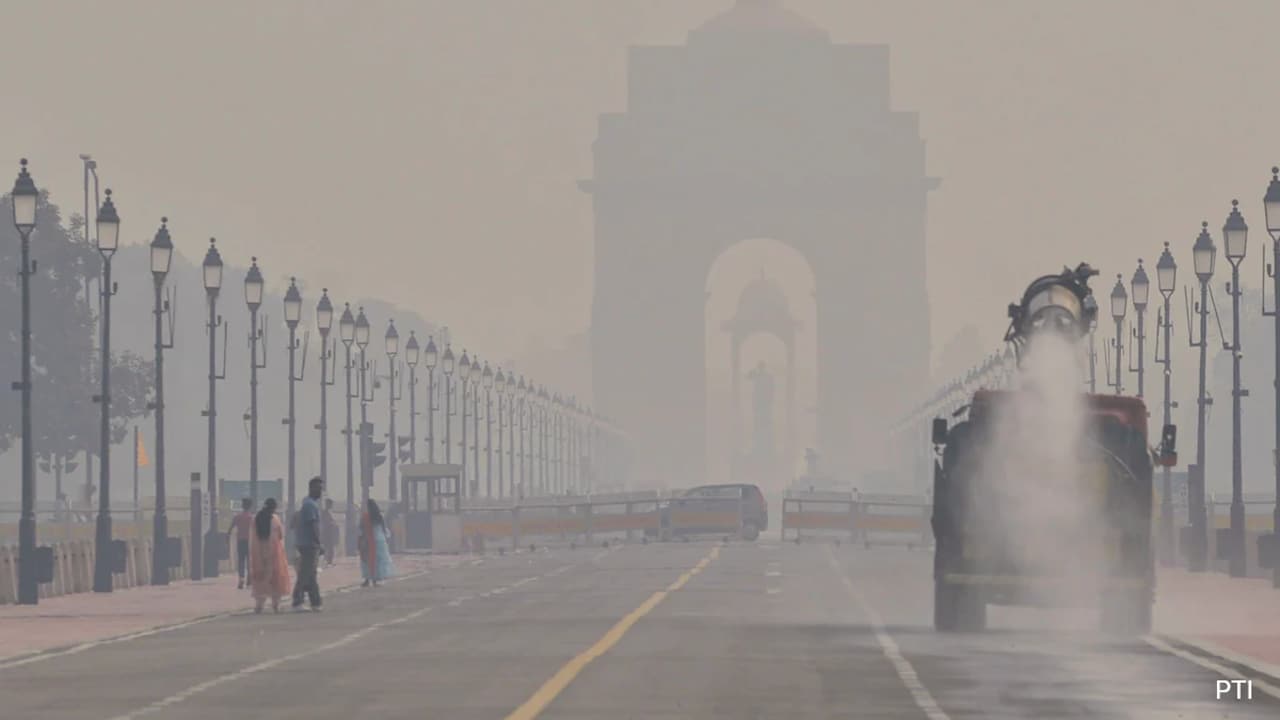
Every single winter, Delhi plays out the exact same predictable, exhausting script. The air turns a toxic shade of grey, the Air Quality Index climbs past hazardous thresholds, and emergency measures kick into high gear. Officials scramble to ban construction, restrict older vehicles, and deploy smog guns across major intersections. Yet the smog remains. The city has written countless policies, set up elaborate task forces, and introduced multi-stage response plans. But the core crisis persists because authorities keep ignoring the one intervention that actually changes outcomes: real-time regional enforcement without political boundary lines.
When you look closely at how air pollution is managed in the National Capital Region, the failure isn't a lack of paperwork. It's an abundance of uncoordinated bureaucracy. Delhi operates as if its air is trapped inside a glass dome, completely separate from Noida, Gurugram, Ghaziabad, and the surrounding agricultural districts. Millions of commuters cross these invisible state borders daily. A diesel truck registered in a neighboring state pollutes the capital's atmosphere just as effectively as one registered locally. Treating pollution as an isolated municipal problem is like trying to fix a sinking ship by bailing water out of only one cabin.
The Graded Response Action Plan, known locally as GRAP, reacts with predictable severity once air quality hits critical levels. Stage III and Stage IV restrictions ban non-essential construction, halt brick kiln operations, and pull older diesel vehicles off the road. These rules impose massive economic and lifestyle costs on ordinary residents and small businesses. Workers lose daily wages when construction sites freeze, and commuters struggle with sudden transport curbs. If you're going to inflict that much disruption on the public, the measures ought to yield clean air. Instead, they act as temporary band-aids on a gaping wound.
The missing link is seamless, year-round cross-border coordination that removes political friction between state governments. Pollution control boards across Delhi, Haryana, Uttar Pradesh, and Punjab frequently operate at cross-purposes, blaming each other when indices spike. Stubble burning in agrarian hinterlands, unchecked industrial emissions in neighboring satellite towns, and unpaved, dusty roads just outside the capital's official jurisdiction feed directly into Delhi's lungs. Until governance mirrors the geography of the airshed, policy will remain an exercise in theatrical panic rather than genuine environmental remediation.
Fixing this mess requires abandoning seasonal knee-jerk reactions in favor of permanent structural changes. Monitoring stations need absolute transparency, and data discrepancies between official sensors and private trackers must be reconciled so the public knows the exact scale of the threat. Public transit networks must expand drastically to make vehicle bans viable rather than punishing. Most importantly, state lines must become irrelevant when deploying enforcement teams against industrial polluters and dust violations. Until accountability stretches across the entire airshed, Delhi will keep drafting rules while the city chokes.
The Truth Behind Delhi's Toxic Air
This video explores the complex interplay of stubble burning, vehicular emissions, and regulatory gaps that drive Delhi's annual winter air pollution crisis.