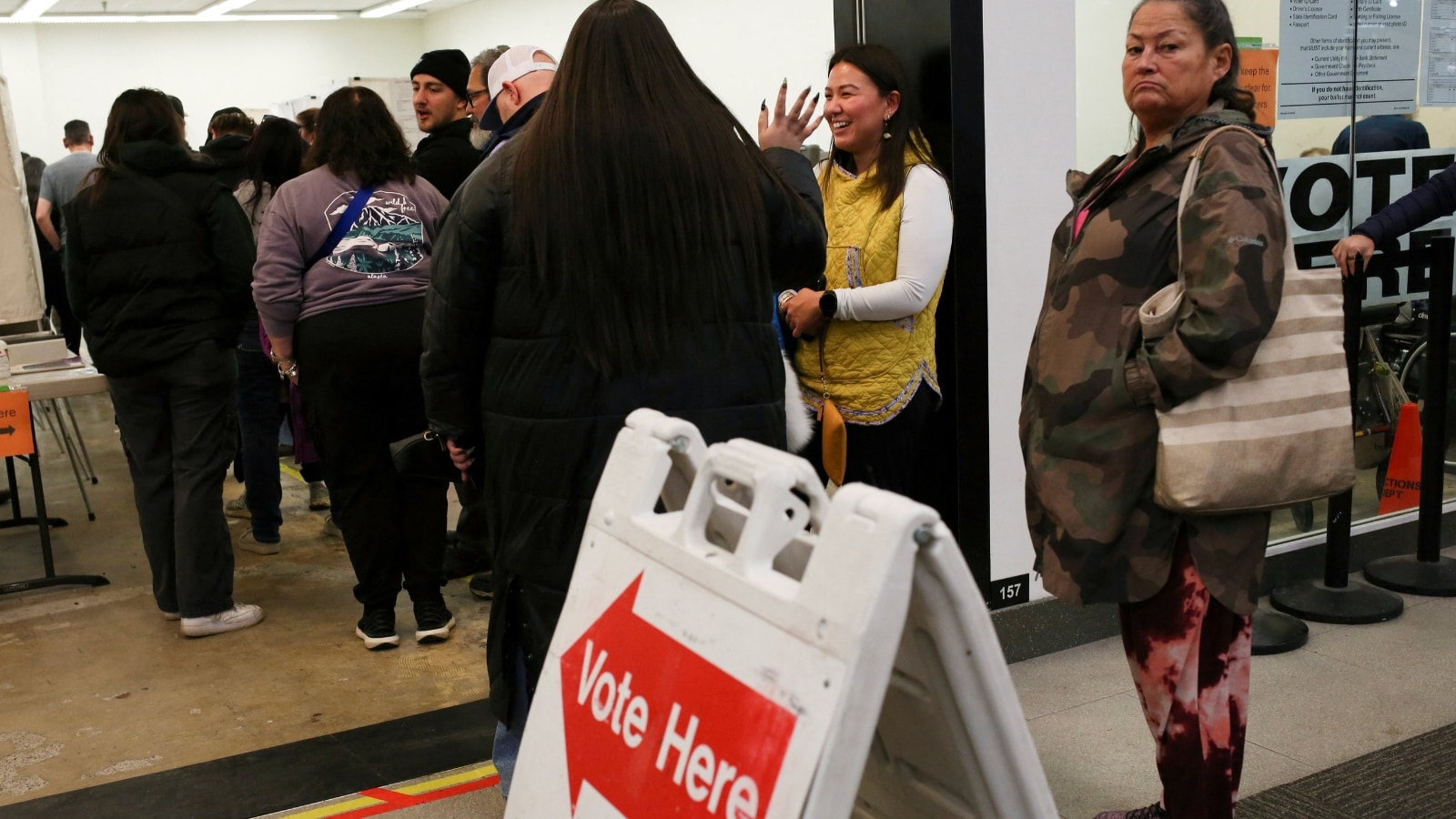
Election Day is no longer a single Tuesday in November. For millions of Americans, it is a weeks-long window. If you still picture long lines of shivering voters outside neighborhood schools at dawn, you are picturing an outdated ritual. Early voting has fundamentally transformed how political campaigns operate, how citizens interact with democracy, and how results are tallied.
Understanding how this system works requires looking past the talking points and examining the mechanics on the ground.
How Early Voting Actually Works
At its core, early voting allows registered citizens to cast their ballots before official Election Day. This happens through two primary methods: in-person early voting at designated county offices or satellite locations, and voting by mail using absentee or mail-in ballots.
The rules vary wildly depending on where you live. Local jurisdictions set specific dates, hours, and locations. While some states throw open polling doors nearly a month before the general election, others restrict the window to a tight fortnight.
Most states require no excuse to cast an early ballot. You just show up, present the required identification, and feed your ballot into a machine. However, a few holdout states still demand a valid reason—such as an illness, travel, or military service—before letting you bypass traditional voting lines.
The Global Perspective
The United States often treats early voting as a novel domestic experiment, but other democracies handle pre-election day participation quite differently.
Countries like South Korea utilize a streamlined early voting system that lets any eligible citizen cast a ballot at any early polling station nationwide during a standardized two-day window, regardless of where they are registered. Finland relies heavily on a multi-day advance voting period where citizens can vote at municipal offices, select post offices, or even arrange for election commissioners to make house calls if mobility is an issue.
Other nations take the opposite approach. Some European democracies rely entirely on mandatory single-day voting while offering universal mail-in or proxy voting provisions. The patchwork quilt of American voting laws stands out globally for its decentralized chaos. Every state acts as its own laboratory, creating massive discrepancies between neighboring jurisdictions.
Why Campaigns Hate and Love the Early Window
Political strategists view early voting as both a blessing and a logistical nightmare.
When ballots start dropping weeks before the official election, campaign timelines compress. Parties can no longer save their best messaging for the final weekend. They must spend finite resources earlier, mobilizing voters and tracking who has already cast a ballot. Once a voter submits an early ballot, campaigns stop spending money on them and shift focus entirely to low-propensity or undecided voters.
This creates a shifting battlefield. A campaign might spend months building a narrative, only to watch half the electorate vote before a major debate or a late-breaking news cycle alters the political landscape.
Common Misconceptions to Drop Right Now
Several persistent myths surround pre-election voting.
First, people assume early votes are counted immediately on election night. In many states, election officials cannot even begin processing or tabulating those mail-in or early in-person ballots until election morning, which explains why final results in major races frequently take days to materialize.
Second, critics often claim that voting early locks people into a choice without full information. Yet polling data consistently shows that early voters are highly motivated, highly informed partisans or civic participants who make up their minds long before ballots are printed.
Check your local election office website today to find your closest early voting site, review ID requirements, and map out your timeline before the next cycle catches you off guard.