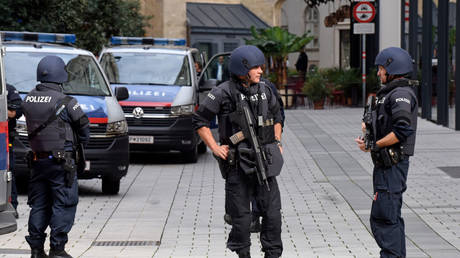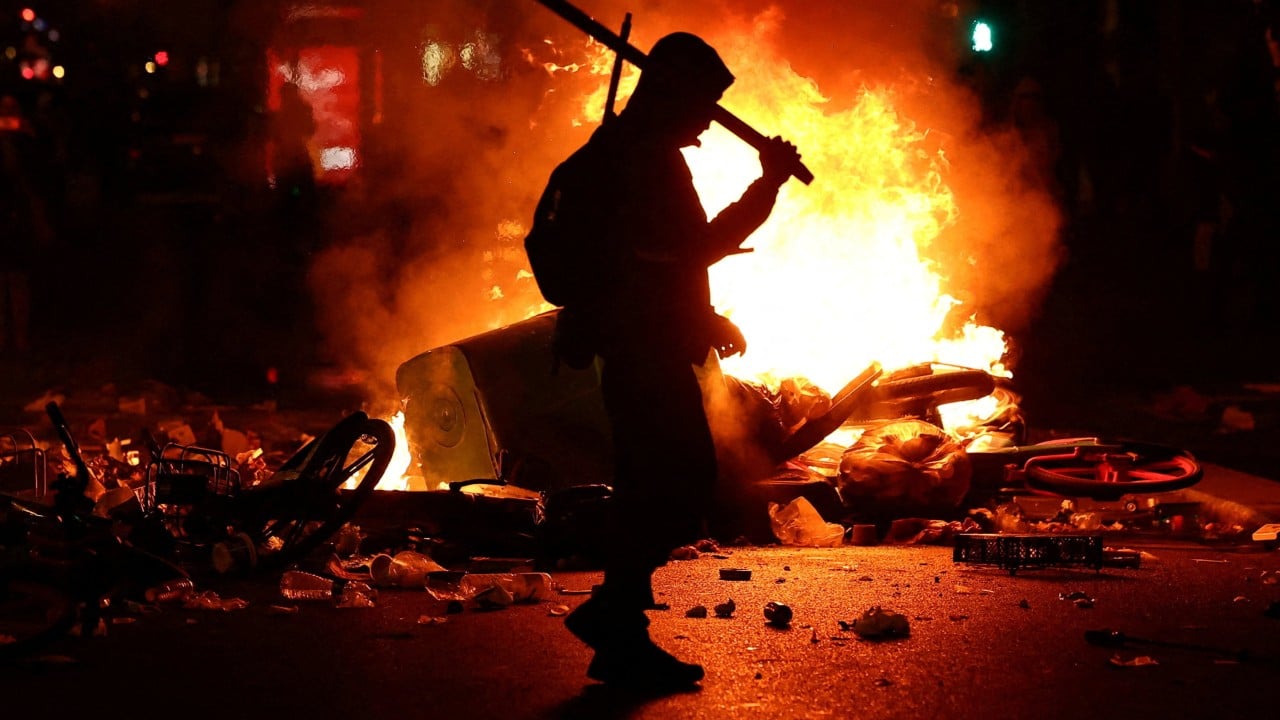
You can trace a straight line of smoke and shattered glass right now from the barricades in Paris to the clashes outside government ministries in Tirana. Across Europe, the streets are boiling. If you look past the standard media coverage of burning garbage bins and police sirens, you'll see a continent-wide breaking point. This isn't just a random assortment of scattered riots. It's a synchronized explosion of economic anxiety, institutional neglect, and generational fury that leaders in Brussels and national capitals failed to see coming—or simply chose to ignore.
When high school students in France start blockading entrances over deteriorating school buildings, and teachers in Madrid launch indefinite strikes over unlivable wages, you are witnessing the collision of basic survival and broken government promises. In Portugal and Spain, tent cities have popped up in major public squares as young workers realize that renting a basic apartment swallows their entire paycheck. In Italy, crowds have taken over city centers to rage against mounting inflation and stagnant career prospects. Meanwhile, demonstrators in Albania are clashing directly with police lines, demanding resignations over deep-seated corruption and a lack of economic mobility.
Why is this happening everywhere at once? The root cause is a profound, systemic loss of control felt by the youngest generation of Europeans. According to recent Eurostat data, more than twenty-six percent of young people aged fifteen to twenty-nine are crammed into overcrowded households because the housing market has completely locked them out. When you combine runaway housing costs with persistent inflation, crumbling public education infrastructure, and an acute lack of secure employment, you create a dry powder keg. It only takes a single spark to blow it open.
What most political commentators get wrong is treating these demonstrations as isolated local events. True, the triggers vary by nation. In France, the unrest kicked off over shabby school facilities and teacher shortages before absorbing broader cost-of-living rage. In Albania, protesters are taking direct aim at political corruption and demanding Prime Minister Edi Rama step down. In Lisbon and Madrid, the immediate enemy is predatory rent inflation. Yet the underlying fuel is identical. A generation of citizens feels entirely priced out of the European dream, watching their purchasing power evaporate while political elites debate distant bureaucratic milestones.
Governments are currently responding with the only playbook they know: heavy policing, curfews, and political finger-pointing. French President Emmanuel Macron has threatened harsh crackdowns and rally bans after historic town halls like the one in Limoges were gutted by fires, blaming far-left agitators for trying to shatter public order. In Tirana, Prime Minister Rama claims the unrest is a staged effort by political opponents to derail the country's EU accession timeline.
These defensive measures miss the point entirely. You cannot tear-gas away a housing crisis, and you cannot arrest your way out of systemic inflation. When peaceful assembly is met with institutional stubbornness, the temptation toward radical disruption grows. Already, groups like Italy's newly formed "Oct. 17 Movement" are organizing permanent mobilizations, signaling that these protests aren't going to fade away when the weekend ends.
If you're watching these events unfold from the outside, stop looking for a single mastermind or a coordinated continental conspiracy. There isn't one. What you're seeing is the organic, messy, and increasingly dangerous reality of millions of people who have realized that playing by the traditional rules no longer secures them a stable future. Until European leaders address the structural failures in housing, education, and wage growth, the smoke across the continent isn't going to clear anytime soon.