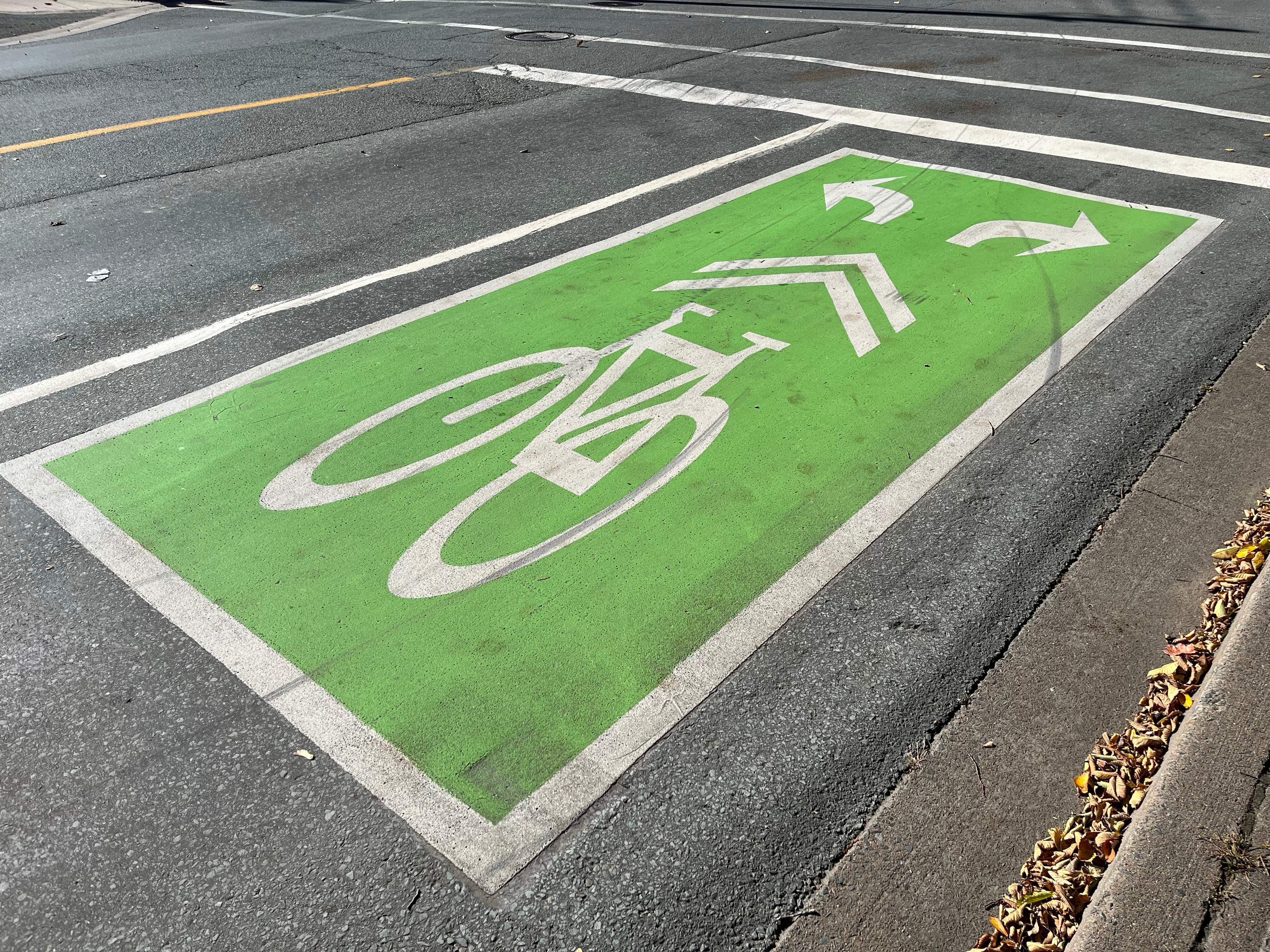
Municipal politics loves a good detour. Halifax Regional Council just proved it again by hitting the brakes on decisions regarding alternative routes for the city's much-debated all-ages-and-abilities bike network. Instead of committing to a clear path forward, councillors voted to kick the review back to transportation committees for another round of public feedback.
If you've been following urban transit planning in Nova Scotia, this script feels painfully familiar. Costs go up, timelines stretch out, and everyone argues about concrete barriers while cyclists take their lives into their own hands on busy corridors.
The Price Tag Problem
Let's talk about the numbers because they sting. The original vision for the active transportation grid started at a modest $25 million. By this past January, that estimate ballooned to a staggering $85 million.
When projections triple, politicians panic. Mayor Andy Fillmore has made it clear he worries that opening up routes to committee reviews will trigger endless redesigns, drive up bills even higher, and stall physical construction. In his view, council had a clear route mapped out and chose to step off into a bureaucratic swirl instead.
Yet, councillors pushing for the delay, like Sean Cleary, argue you can't build a massive transit overhaul without listening to the folks who actually have to pedal through traffic. The core tension is simple: how do you balance fiscal responsibility with infrastructure that actually protects people?
What AAA Design Actually Means
The entire debate centers on the concept of all-ages-and-abilities cycling infrastructure. This isn't about throwing down a coat of white paint on the shoulder of a 50-kilometer-per-hour road and calling it a day. True AAA design demands physical separation from motor vehicles, protected bike lanes, multi-use pathways, and intelligent traffic calming.
If you put families, children, and elderly riders on a painted gutter next to speeding SUVs, they won't use it. That defeats the entire purpose of an integrated mobility plan meant to shift commuters away from cars.
Staff put together a report outlining seven alternative routes aimed at trimming those eye-watering costs. But there's a catch. Municipal staff admitted that these cheaper alternatives probably won't meet true AAA standards.
The Pushback From Advocates
Cyclists showed up at City Hall to stage silent protests against watering down the network. David Trueman, chair of the Halifax Cycling Coalition, pointed out a hard truth: nobody is demanding gold-plated lanes carved from solid marble. Riders just want adequate, safe options separated by concrete curbs rather than expensive decorative builds that invite budget cuts.
Build it right the first time or don't bother. If cities put in half-baked infrastructure, opponents use the inevitable low usage figures as ammunition to cancel future expansions altogether.
Where the Project Goes Next
Construction isn't slated to kick off until 2028, which supporters of the delay argue gives the city breathing room to review the committee reports without blowing up current project timelines.
Halifax finds itself stuck between the urgent need for safe climate-friendly transit and the brutal reality of municipal budgeting. Committees will review the alternatives, arguments will flare up again, and taxpayers will watch the price tag tick upward. Until the city commits to a definitive standard, the bike network remains stuck in neutral.