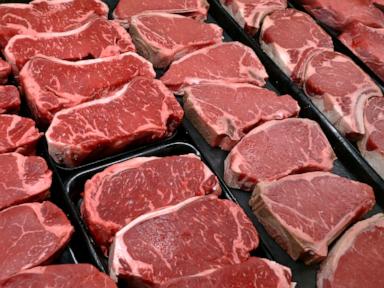
You walk into the grocery store, stare at the meat aisle, and wonder when ground beef became a luxury item. Voters are asking the exact same thing. Right now, skyrocketing grocery bills and record-high beef prices are colliding head-on with the midterms, turning kitchen-table economics into the ultimate political battleground.
Politicians love talking about abstract numbers, but voters care about what's on their plates. When a pound of beef climbs past six dollars and stays there, people notice. It’s not just about culture wars or abstract inflation reports anymore. It's about everyday survival, and that frustration is heading straight to the ballot box.
The Real Driver Behind the Beef Crisis
Let's look past the political spin. The meat crisis didn't happen overnight. Years of persistent drought across cattle-producing states shrunk the national herd to historic lows. When you combine reduced supply with high feed costs, fuel spikes, and supply chain concentration—where just four major corporations control the processing market—you get a recipe for soaring prices.
Ranchers are caught in a brutal squeeze. Omaha Steaks executives and independent farmers alike have pointed out that rebuilding the cattle herd takes years, not months. You can't just flip a switch to produce more beef. Related reporting on the subject has been published by BBC News.
When White House Policy Meets the Meat Aisle
Politicians are scrambling to look like they're fixing the problem before voters cast their ballots. Recently, executive moves to temporarily suspend tariffs on imported beef sparked intense backlash from domestic ranchers and allied lawmakers. Some argue that bringing in foreign beef offers immediate relief to sticker-shocked shoppers. Others counter that undercutting American producers hurts local agriculture and creates long-term vulnerability.
When the administration moves to lower prices right before a major election cycle, nobody thinks it's a coincidence. But voters aren't easily fooled by short-term fixes. When imported shipments face quality recalls or stoke fears over safety standards, the quick fix suddenly looks like a political gamble.
Grocery Store Economics Versus Political Rhetoric
If you're wondering how this affects the upcoming midterms, look at the polling and consumer sentiment. Customer traffic at restaurants is dropping. Small-scale barbecue joints and steakhouses are pulling brisket off the menu because they simply can't absorb the wholesale costs.
Incumbents holding razor-thin majorities are sweating. When the cost of a basic protein surges by double digits in a single year, voters look for someone to blame. It doesn't matter which party holds the Oval Office; whoever is in power when wallets get squeezed takes the hit.
Fixing food inflation requires structural changes to agricultural supply chains, antitrust enforcement on meat packers, and real support for aging farmers who aren't being replaced by the next generation. Until those long-term solutions take root, expect the grocery receipt to remain the most powerful political ad in America.
This video provides an in-depth look at the Bureau of Labor Statistics data showing how much ground beef and steak prices have surged compared to previous years.
http://googleusercontent.com/youtube_content/1