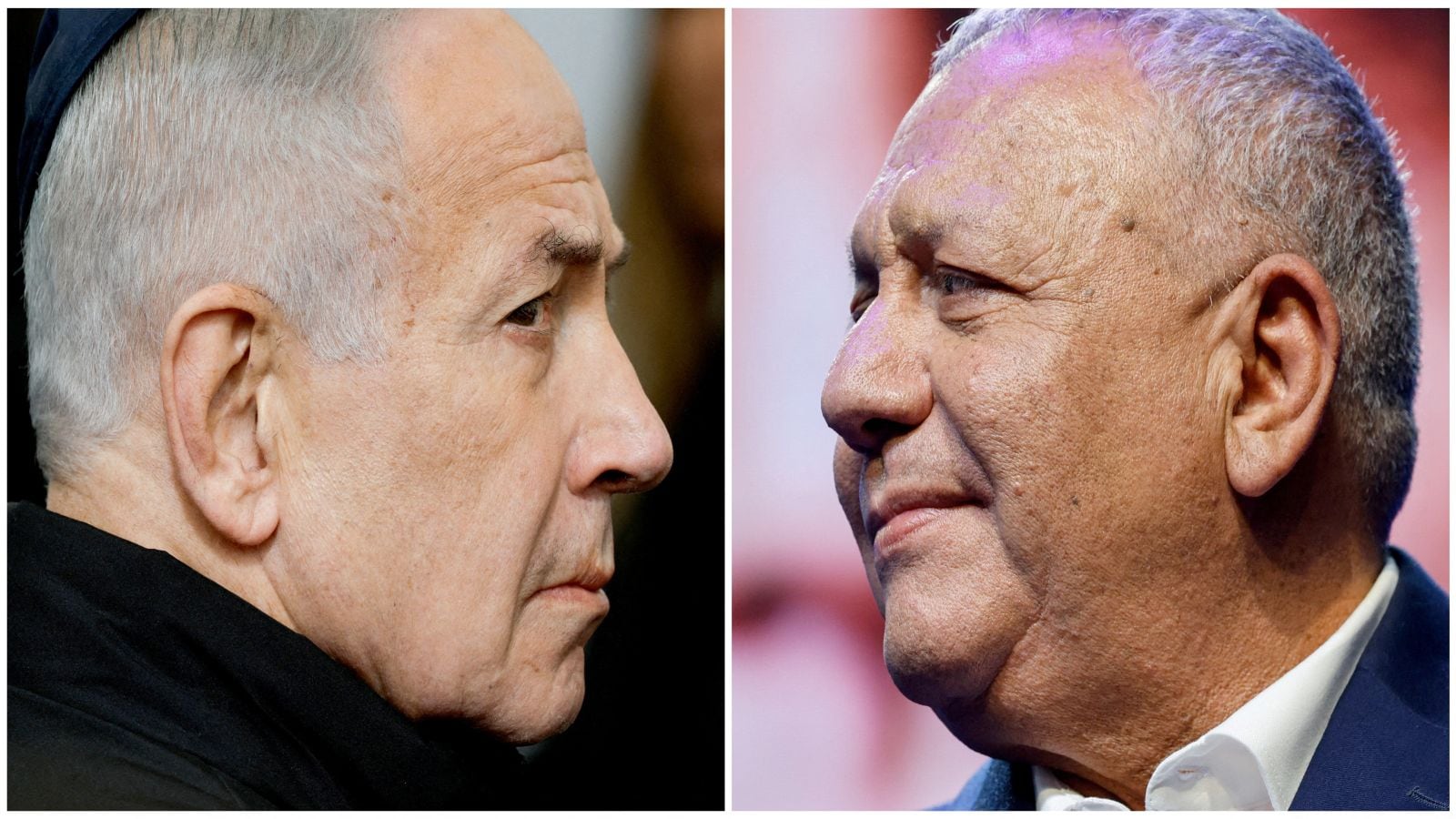
Voters didn't just cast ballots in Israel's recent wartime election; they turned out in numbers not seen in decades. With voter turnout hitting 77.7%—the highest recorded since 1999—the message from the public was loud, messy, and impossible to ignore. Exit polls paint a stark picture of political gridlock, handing a serious political blow to long-serving Prime Minister Benjamin Netanyahu. But don't expect a clean transfer of power just yet.
Netanyahu's right-wing bloc and the rival camp led by former military chief Gadi Eisenkot found themselves neck-and-neck as the polls closed. Major television networks pointed to a razor-thin margin, with Eisenkot's bloc hovering around a 52-50 seat edge over Netanyahu's camp, while other projections showed an even tighter 51-51 split. In a 120-seat Knesset where absolute majorities require 61 seats, nobody has won outright.
The Rise of Gadi Eisenkot and the Post-Oct 7 Reckoning
To understand why this election feels different, you have to look at who is challenging Netanyahu. Gadi Eisenkot entered mainstream politics only four years ago, bringing a heavy reputation from his time leading the military. Following the devastating Hamas attacks, he briefly joined Netanyahu's emergency war cabinet before resigning eight months later over sharp disagreements on leadership and strategy.
Eisenkot isn't presenting a radical left-wing departure on national security. He maintains a hard-line stance, arguing that Hamas's military wing must be dismantled and openly opposing Palestinian statehood. Where he successfully carved out his appeal was on competence, public trust, and a promise to break away from the polarizing far-right coalition partners that have defined Netanyahu's recent years in office. When exit polls showed his bloc neck-and-neck with the incumbent, Eisenkot told supporters that history had been made.
Why Netanyahu Is Not Out Yet
Deadlocks in Israeli politics rarely mean an instant exit for the sitting prime minister. Netanyahu has spent nearly 19 of the past 30 years in power, navigating multiple political deaths and surviving judicial and legislative crises that would have sunk anyone else.
The arithmetic of Israel's fragmented parliament means smaller fringe factions and regional kingmakers hold outsized leverage. While the exit numbers are a clear setback for Netanyahu, the structural reality of a stalemate actually benefits him in the immediate term. While rival parties scramble, negotiate, and try to stitch together impossible coalition deals, Netanyahu remains firmly seated in a caretaker capacity.
Furthermore, voter turnout surged not just in secular or traditional strongholds, but also inside Arab-majority communities. Arab parties celebrated historic enthusiasm at their headquarters, hoping to act as a decisive block against a right-wing resurgence. Yet, bridging the gap between Zionist opposition parties and Arab factions remains a massive political hurdle, leaving the path to a 61-seat majority painfully narrow for Eisenkot.
What Happens Next
The days following the exit polls will test the survival instincts of every political player in Jerusalem. Final vote counts take time, and provisional exit numbers have a history of shifting slightly once actual ballots are tallied.
If neither bloc can forge a stable government, Israel faces the grueling prospect of prolonged coalition bargaining—or worse, a repeat election that exhausts an already war-weary public. Netanyahu is banking on his rivals failing to unite. Eisenkot is betting that the public's exhaustion with the status quo will force kingmakers to break ranks.
The political monopoly has cracked, but breaking it completely will require compromises that neither side is naturally wired to make.
Eisenkot says ready to form government as exit polls show deadlock
This video report covers Gadi Eisenkot's immediate reaction and declaration of readiness to form a government following the deadlocked exit polls.