Elections rarely settle anything cleanly in modern democracies. When exit polls flashed across television screens late Tuesday, they didn't bring clarity to Jerusalem. Instead, they revealed a fractured parliament, confirming that Israeli politics remains stuck in a loop of its own making.
If you expected a definitive mandate after years of unprecedented regional conflict, you haven't been paying attention. The numbers point straight to a familiar wall.
The Numbers Behind the Stalemate
Let's look at what actually happened at the ballot boxes. Turnout surged to levels not seen in decades. Israelis lined up in record numbers to render judgment on Prime Minister Benjamin Netanyahu. It's the first time voters headed to the polls since the devastating October 7 attacks and the subsequent wars stretching across Gaza, Lebanon, and Iran.
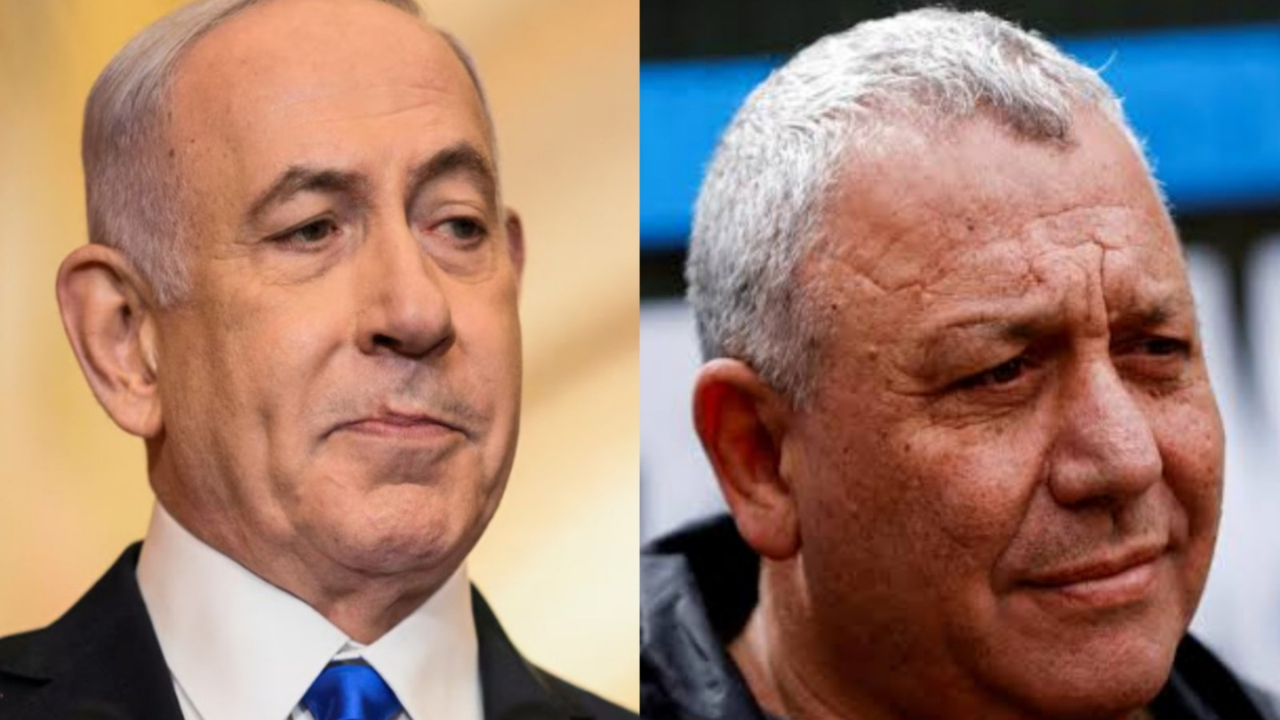
Yet, the exit polls from major networks show neither Netanyahu’s right-wing bloc nor the opposition coalition securing the magic number of 61 seats in the 120-seat Knesset. Netanyahu’s grouping fell significantly from its previous foothold, landing around 50 seats depending on the network projection. The centrist challenge led by former military chief Gadi Eisenkot failed to score a decisive knockout blow either.
Why the Math Doesn't Work
You might wonder how a country facing such severe external pressures fails to unite behind a single path. The answer lies in Israel's hyper-fragmented political DNA.
Small parties hold all the leverage. Unaligned Arab factions and minor fringe players sit as potential kingmakers, yet ideological divides run so deep that forming a stable governing coalition looks nearly impossible. Eisenkot has practically ruled out relying on certain unaligned factions, effectively boxing himself into a corner despite leading a slightly larger anti-Netanyahu bloc in some estimates.
Netanyahu has survived political obituaries for nearly three decades. Facing longstanding corruption trials and fierce criticism over the intelligence failures that preceded the war, he still managed to rally his base by casting himself as the only leader willing to stare down regional foes like Iran.
What Happens Next
Prolonged coalition horse-trading is guaranteed. If no one can cobble together a functional majority, Israel faces the very real prospect of heading right back to another round of voting.
Deadlock isn't just a political inconvenience here. It delays critical decisions on national security, economic adjustments, and regional diplomacy with Tehran. While final votes take days to count, the underlying message is already clear. The electorate is deeply divided, and until someone figures out how to bridge that gap, the political paralysis will continue to define the nation's future.
Israel elections: Deadlock could buy time for Netanyahu, polls say
This video provides an in-depth analysis of how the political stalemate impacts Netanyahu's survival strategies and coalition prospects.
http://googleusercontent.com/youtube_content/1