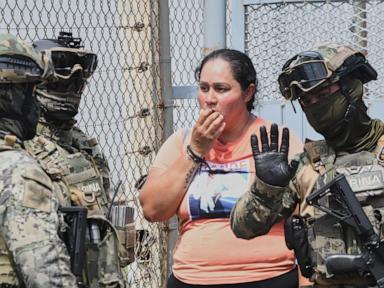
Ten people lost their lives when a routine family visiting hour at El Castillo penitentiary in Mazatlán turned into a slaughter. Nine inmates and one visitor died on the concrete, while another sixteen people suffered injuries requiring urgent hospital transport. This wasn't an unpredictable tragedy. It was the predictable outcome of running correctional facilities that operate as de facto branch offices for violent drug cartels.
When you look closely at what happened in Sinaloa, the numbers tell a grim story, but they don't capture the daily reality of Mexico’s 276 correctional facilities. Overcrowding plagues these institutions, with hundreds of thousands of detainees jammed into spaces built for a fraction of that population. Pretrial detention keeps thousands locked up for months or years without ever seeing a judge or receiving a formal sentence, swelling the inmate counts beyond capacity. Security guards are outnumbered, underpaid, and routinely compromised by cartel influence.
Drug trafficking organizations don't stop operating just because their members get locked behind bars. If anything, the prisons become operational hubs. Cartel factions running wild on the streets maintain direct communication and influence inside cell blocks. When rivalries flare up on the outside—such as the bitter internal power struggle between factions loyal to the sons of Joaquín "El Chapo" Guzmán and followers of Ismael "El Mayo" Zambada—that blood feud bleeds straight through the prison gates.
Local media reports confirmed that firearms somehow made their way inside the El Castillo facility, turning a prison brawl into an execution ground. How do guns bypass metal detectors and armed guards? Corruption remains the grease that keeps the wheels turning. Bribery and intimidation make contraband a routine fixture of daily prison life.
Federal forces had to step in. The National Guard, army, navy, and state police mobilized to restore order, declaring the facility "under control" hours later. But calling a prison controlled after ten people are dead is a grim joke. It's symptom treatment for a terminal illness.
The federal government faces intense foreign and domestic pressure to crack down on cartels, yet internal security failures like this show how deeply institutional rot runs. Until Mexico addresses the root causes—rampant corruption, chronic overcrowding, and the unchecked power of cartel bosses inside the penal system—these riots will keep happening. Every few months, a new city name hits the headlines, a new death toll gets tallied, and the cycle starts all over again.