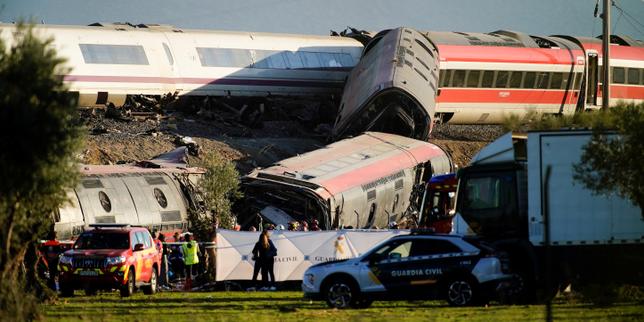
Spain's railway network is once again under intense scrutiny following a catastrophic high-speed train collision in the province of Toledo. This tragedy has left dozens dead, injured many others, and plunged the country's transport infrastructure into crisis. When a high-speed passenger train strikes another rail vehicle, the resulting devastation prompts immediate questions about signaling, track maintenance, and operational safety.
What Happened on the Rails Near Toledo
The crash occurred on a high-speed line connecting major urban centers, sending shockwaves through the country's national transport system. Early reports indicate that a state-run Renfe train collided with another service, triggering severe derailments. Several carriages reportedly left the tracks and tumbled down an embankment, complicating immediate rescue efforts.
Emergency responders rushed to the scene, deploying helicopters, fire crews, and dozens of ambulances to treat the injured and search for trapped passengers. Hospitals in the surrounding region activated emergency protocols to handle the influx of trauma cases. Meanwhile, the Renfe network suspended all high-speed traffic between Madrid, Ciudad Real, and Andalusia, leaving thousands of travelers stranded.
A Brutal Year for Spanish Rail Safety
This disaster marks the second major rail catastrophe to hit Spain in 2026, compounding public anxiety over infrastructure safety. Earlier in the year, a high-speed collision near Adamuz in the southern province of Córdoba claimed 46 lives and injured nearly 300 people. That January incident involved an Iryo train and a Renfe service, and subsequent police investigations revealed fractured tracks just days before the crash.
Adding to the tension, a commuter train derailment near Barcelona caused by a landslide and a collapsed retaining wall killed a driver just days after the Córdoba disaster. Transport authorities are now facing fierce public backlash and intense political pressure. Critics are questioning whether rapid network expansion and maintenance backlogs are compromising passenger safety.
The Immediate Impact on Travelers and Transport Policy
In response to the Toledo crash, the national rail operator announced emergency transport alternatives and offered full refunds or ticket changes for affected passengers. However, logistical paralysis is widespread. Major economic corridors are blocked, and commuters have been forced to seek alternative modes of transport while engineers and safety inspectors comb through twisted metal and damaged ballast.
Investigators are examining data recorders, track integrity logs, and signaling systems to piece together the exact sequence of events. Transport ministers and regulatory bodies will need to provide transparent answers. As public trust frays, the pressure mounts on authorities to overhaul maintenance protocols and guarantee that high-speed rail lines are genuinely safe for everyday travel.
If you are planning travel across Spain's high-speed corridors, check official operator updates immediately, as schedule disruptions and service suspensions will persist for days while recovery operations continue.