Thick black smoke rising over King Khalid International Airport isn't just another regional headline. It is a stark reminder that the war in Yemen refuses to stay contained. When Houthi forces launched their brutal assault on Riyadh airport, injuring several people and forcing the total suspension of flight operations, the conflict crossed a dangerous line. Over three hundred flights were instantly grounded or diverted. Ambulances rushed toward the terminal. Eyewitness accounts described absolute panic as gates took direct hits.
If you think this is just standard regional posturing, you're missing the bigger picture. This escalation shatters any illusion of long-term stability in the Gulf airspace.
Let's look at what actually happened on the ground.
The Reality of the Riyadh Airport Strike
The assault on King Khalid International Airport hit hard. According to reports verified by agencies like AFP, multiple individuals sustained injuries from missile impacts near the domestic terminal. At least five people ended up in intensive care units. Authorities confirmed that three individuals, including a pilot, lost their lives in separate strikes targeting the aviation hub within a forty-eight-hour window.
Airports are heavily fortified zones. They rely on complex radar grids, air defense batteries, and strict perimeter checks. Yet, precision munitions or drone swarms continue to slip through.
Why? Because modern asymmetric warfare makes total defense nearly impossible.
The Houthis stated clearly that they targeted Saudi infrastructure due to the Kingdom's backing of government forces in Yemen. This tit-for-tat escalation centers around strategic choke points like the Bab al-Mandeb Strait. That narrow waterway connects the Red Sea to the Gulf of Aden. Control over those shipping lanes dictates global energy supplies and maritime trade. When shipping lanes and aviation hubs become targets, the economic ripple effects hit global markets immediately.
Why This Escalation Matters Right Now
You might wonder why an airport strike in Saudi Arabia should change your perspective on international security.
Consider the secondary precautions. Following the strikes, workers erected heavy cage-like fences around fuel tanks near the airport, specifically protecting installations tied to the state-run Aramco oil company. When a major oil exporter has to cage its own fuel storage depots against incoming aerial threats, supply chains are standing on thin ice.
Western embassies immediately issued urgent security advisories. They urged citizens to avoid the airport and surrounding districts.
This environment creates immediate practical complications for travelers and logistics companies:
- Flight paths across the Arabian Peninsula face sudden rerouting.
- Travel insurance premiums for Middle Eastern routes spike overnight.
- Regional business operations experience immediate delays as corporate travel halts.
If you are planning corporate travel through the Gulf, you cannot rely on historical safety assumptions. Airlines make split-second decisions to suspend hubs when security guarantees evaporate.
The Broader Geopolitical Ripple Effects
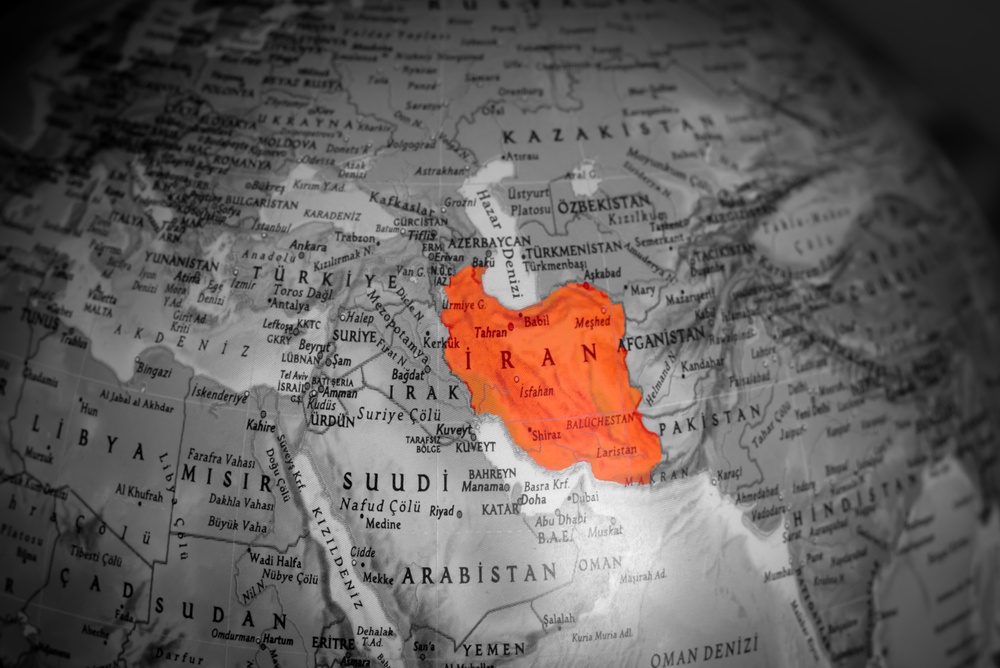
The conflict in Yemen has dragged on for years. Many international observers treat it as a frozen or secondary crisis. Events like this shatter that complacency. Iran's backing of the Houthi movement remains the primary catalyst driving these advanced military capabilities. Drones and ballistic tech keep getting more sophisticated.
When regional proxies acquire long-range strike tools, capital cities hundreds of miles away from the front lines become front-line targets. Riyadh's air defense systems intercept the vast majority of incoming threats. But a single successful penetration or near-miss changes the calculus for international business and diplomacy.
Insurance markets react instantly to these shocks. Risk assessments for commercial aviation in the Middle East are being rewritten right now.
Practical Takeaways for Navigating Regional Volatility
If your business or travel itinerary intersects with the Gulf region, sitting back and hoping for de-escalation is a failing strategy.
Monitor live flight tracking data and official civil aviation authority notices rather than relying on delayed news feeds. Build flexible travel itineraries that avoid single-hub transits through major regional capitals when tensions flare. Keep direct lines open with corporate security teams who track real-time threat intelligence.
The security architecture of the Middle East is shifting. Pay attention to the airspace. It tells you the truth long before official statements do.