International courts move slowly, but human suffering doesn't wait for legal briefs. For years, the Organisation of Islamic Cooperation has championed the Rohingya genocide case at the International Court of Justice, presenting resolutions and speeches about Muslim solidarity. Yet as the tribunal prepares to issue its historic verdict on whether Myanmar's military committed genocide, that diplomatic theatre faces a harsh reckoning. Real protection requires more than press releases.
If the judges in The Hague rule that Myanmar is legally responsible for genocide, it will mark an unprecedented moment in international law. Never before has the International Court of Justice held a state accountable for this specific crime across its 80-year history. But legal victories mean nothing to a refugee surviving on $7 a month in Cox's Bazar or facing perilous sea crossings where one in seven travelers dies or disappears.
The Reality Behind Closed Doors
You cannot talk about the Rohingya crisis without confronting the hypocrisy of regional governments. Many states that enthusiastically sign OIC communiqués condemning Myanmar's military junta turn right around and slam their own borders shut. Some regional neighbors push asylum seekers back out to sea, ignoring international humanitarian law while maintaining a facade of diplomatic concern.
Consider what happened when Indian authorities forced forty Rohingya from naval vessels directly into the Andaman Sea. When powerful blocs like the OIC stay silent on these abuses by non-member states, their moral authority collapses. Solidarity cannot be selective. You don't get to demand accountability from one government while actively endangering refugees on your own shores.
What True Accountability Demands
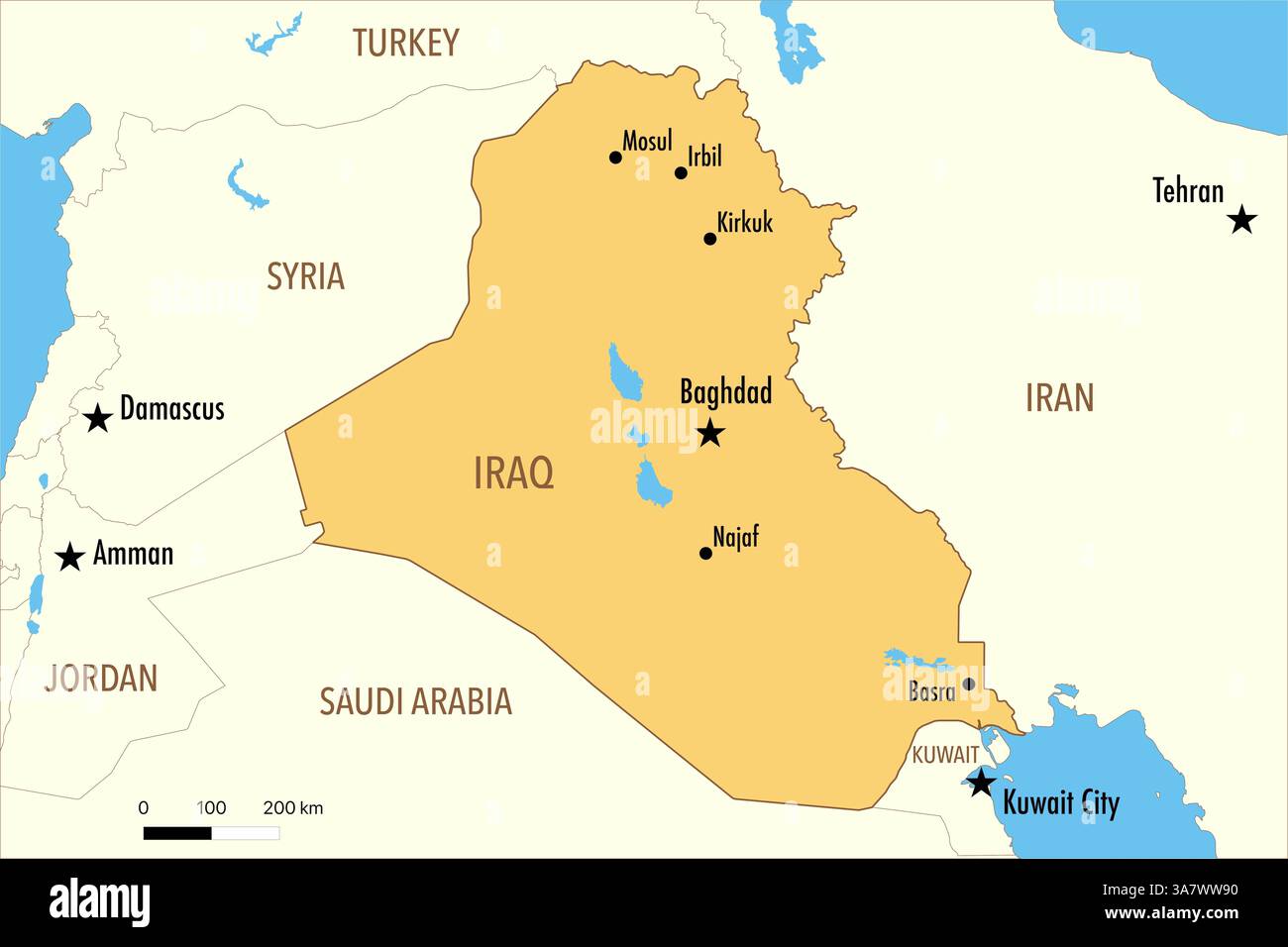
When foreign ministers convene in Baghdad, they'll issue predictable statements praising the court's decision. They'll talk about justice and human rights. Don't be fooled by the rhetoric. Real accountability looks like concrete policy changes that protect human lives today.
- Refuse refoulement: Member states must adopt strict legal bans against forcibly returning any Rohingya individual back to danger in Myanmar.
- Sustain humanitarian aid: Financial commitments to refugee camps in Bangladesh need long-term stability, not temporary band-aids that leave families wondering where their next meal is coming from.
- Enforce economic pressure: Diplomatic posturing fails without targeted economic and political measures against entities funding the military regime's campaign.
Independent human rights organizations, journalists, and local community groups carried the heavy burden of documenting these atrocities when global powers looked away. They preserved the evidence. Now, the international community has to decide if it'll back up that evidence with actual policy or let it gather dust in diplomatic archives.
Stop pretending that a courtroom verdict solves everything. The real test begins the moment the judges put their pens down.