Elections thousands of miles away usually cause polite diplomatic hand-wringing. Not this time. When the smoke cleared from the American midterm elections, the political establishment in Israel didn't just feel a tremor—they felt a structural shift that threatens the bedrock of bilateral ties.
The Democratic sweep and the subsequent Republican recriminations have exposed deep, uncomfortable truths about how fragile the US-Israel alliance has become in domestic American politics. If you look past the standard diplomatic statements about unbreakable bonds, a very different reality is taking shape in Washington and Jerusalem.
The Congressional Power Shift and Military Aid Realities
For years, the conventional wisdom in Israeli security circles was simple: bipartisan support in Washington was a permanent given. Sure, progressive factions grumbled about foreign assistance, but the leadership in both parties kept the checks clearing and the ironclad commitments intact.
The 2026 midterms shattered that comfort zone. With Democrats seizing control of Congress on a wave of domestic fatigue—and facing open internal revolts over foreign entanglements and regional wars—the arithmetic on Capitol Hill changed overnight. High-profile figures within the Democratic party didn't just question foreign policy priorities; they directly tied voter frustration at home to the enormous financial and military backing flowing overseas.
When lawmakers start listening to constituents demanding that tax dollars stay home, historic alliances become negotiable. Prime Minister Benjamin Netanyahu's long-standing strategy of betting heavily on one side of the American aisle has suddenly turned from a high-stakes gamble into a severe strategic liability.
The Iran Policy Collision Course
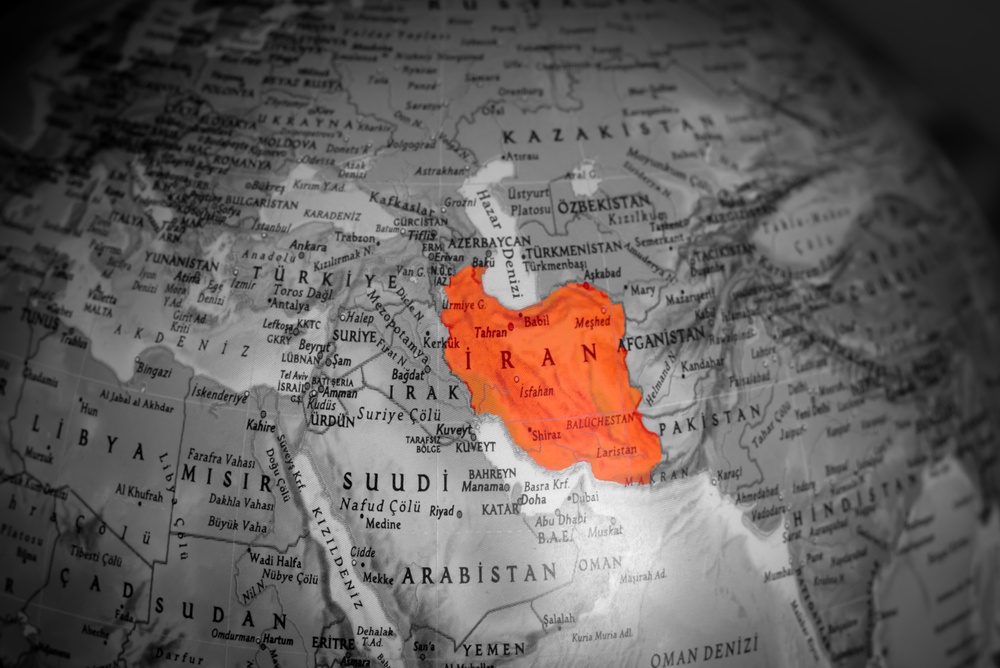
The tension isn't just about party control of the legislative branch; it's about executive policy in the shadow of ongoing conflict. Following the military engagements involving Iran, American voters delivered a thumping rebuke at the ballot box. Even prominent conservative voices like JD Vance openly admitted that the protracted conflict abroad weighed heavily on the minds of everyday citizens casting their midterm ballots.
This creates an immediate collision course with Jerusalem's strategic objectives. Israel views the containment and dismantling of hostile regional proxies as an existential daily necessity. Washington, conversely, is staring down a weary electorate demanding an exit ramp from foreign conflicts.
When the White House faces intense domestic pressure to wind down commitments and pivot inward, strategic patience wears thin. An administration desperate to appease a domestic base exhausted by war won't hesitate to apply heavy pressure on its allies to wrap things up, regardless of whether local security goals have been fully met.
The 2028 Shadow Looms Over Diplomacy
Politicians look ahead, and the 2028 presidential landscape is already casting a long, cold shadow over current diplomatic calculations. Potential candidates eyeing the White House are watching how the midterms played out and drawing clear conclusions. Taking a critical stance on foreign interventions and questioning unconditional aid packages is no longer a fringe position—it's becoming a mainstream winning message among large swaths of the American electorate.
This means future contenders for the US presidency will likely distance themselves further from traditional interventionist stances. For Israeli leadership, dealing with an American partner that is increasingly inward-looking and politically volatile requires an entirely new playbook. The era of predictable, automatic backing is giving way to a transactional, highly scrutinized relationship where every shipment of hardware comes with a domestic political price tag in Washington.
Stop assuming that past diplomatic norms will protect future interests. The political ground in America has shifted, and ignoring the tremors won't stop the next earthquake.
The unexpected kingmakers in Israel's deadlocked election results
This video provides additional context on the internal political pressures and leadership dynamics shaping Israel's current strategic outlook.