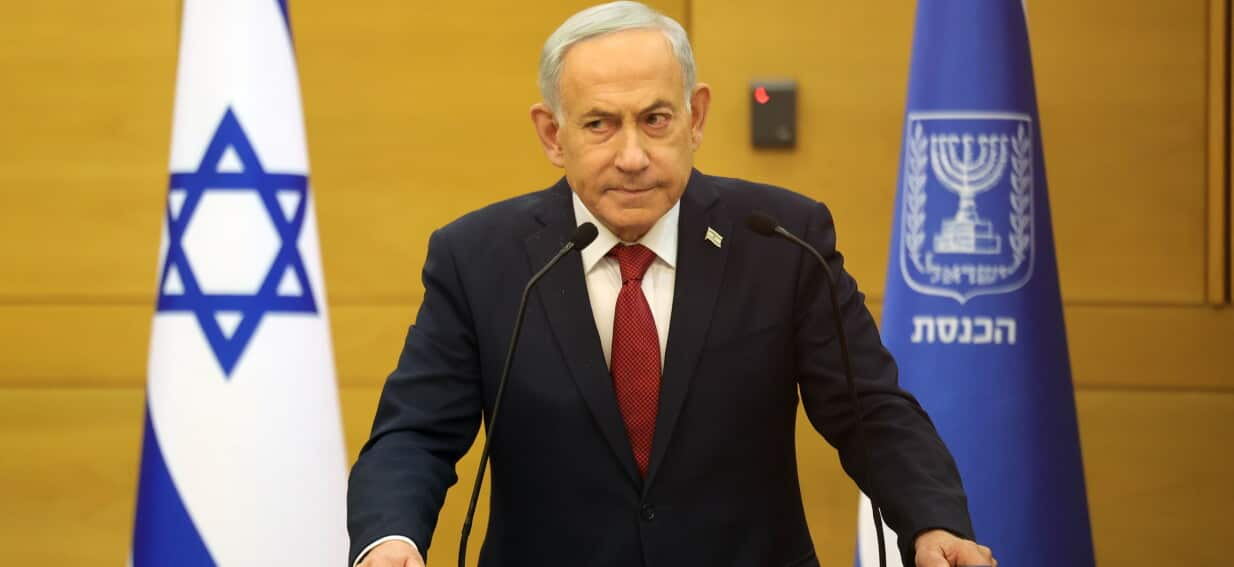
Donald Trump just put a massive financial target on the back of the Republican Party's midterm strategy. By announcing that his political operation and allied super PAC, MAGA Inc., will spend over 400 million dollars by election day on November 3, Trump has effectively declared that the entire legislative battleground belongs to his brand of populist politics.
If you are wondering why this eye-watering sum matters right now, look at the broader financial arms race currently reshaping American politics. This announcement arrives hot on the heels of massive cash injections from major donors across the political spectrum. Former New York City mayor Mike Bloomberg recently poured tens of millions into Democratic efforts, particularly targeting House races through organizations like the House Majority PAC, while tech billionaire Elon Musk made heavy financial contributions supporting the GOP earlier in the cycle. Money talks loudly in modern campaigns, but Trump's direct pledge shifts the entire power dynamic of who controls the midterm narrative.
Let us break down what this cash is actually buying on the ground. According to statements released through his social media channels, over 300 million dollars has already been deployed. This spending covers television and digital advertising, direct and indirect voter contact, high-capacity rallies, arena rentals, telerallies, dedicated get-out-the-vote programs, and election integrity initiatives. Trump's campaign blitz spans critical battlegrounds, with scheduled stops hitting North Carolina, South Carolina, Iowa, Florida, Georgia, and Michigan in rapid succession.
The High Stakes of the Midterm Money War
Why drop four hundred million dollars right now? The timing is no accident. Midterm elections historically punish the party holding the White House, but this cycle features unique electoral friction points. Trump's massive spending spree is designed to prevent traditional voter fatigue and bypass standard party apparatuses by routing resources directly through his trusted political network. Experts at Reuters have shared their thoughts on this matter.
Critics often underestimate how much these mega-donations and super PAC funds dictate local outcomes. You can have the best door-to-door ground game in the country, but without saturation advertising and constant digital reminders, voters simply stay home during non-presidential cycles. Trump knows this reality better than anyone. By turning every stop into a national referendum on his agenda, he forces candidates to tie their local races directly to his nationalized messaging.
Take North Carolina as a prime example. In Greenville, Trump campaigned heavily for the Republican Senate nominee facing an intense challenge against the state's former Democratic governor, who has maintained strong polling numbers. In close races like this one, super PAC money acts as an emergency oxygen tank, funding last-minute ad blitzes that can shift undecided voters in the final seventy-two hours.
What Most Analysts Miss About Super PAC Funding
People love to obsess over the raw totals, but the real story is structural. When a political operation concentrates this much capital into targeted media markets and voter mobilization software, it starves out independent challengers. It forces campaigns to rely on centralized messaging pipelines controlled tightly by a single leader.
You're watching the total corporate and individual alignment of the conservative establishment under one financial umbrella. When MAGA Inc. holds massive amounts in reserve alongside traditional party coffers like the Republican National Committee—which entered previous stretches with over 125 million dollars in cash—the sheer volume of paid media creates an inescapable echo chamber for the average voter.
At the same time, this strategy carries distinct risks. Pumping hundreds of millions into external super PACs means less direct control by traditional local party structures. If local candidates dislike the messaging dictated by national super PAC priorities, friction is inevitable. Yet, discipline has rarely been a problem for Trump's base, which responds enthusiastically to high-energy rallies and direct digital outreach.
Navigating the Final Stretch
If you are tracking how these midterm results will shake out, stop looking at national generic ballot polls alone. Watch the daily expenditure reports from the Federal Election Commission and super PAC filings. Pay attention to where the final blocks of advertising dollars land during the last week of October.
The party that successfully converts cash into active voters on election day wins. Trump's 400 million dollar wager ensures the GOP will not lose this race for lack of funding. Whether it overcomes local headwinds in swing states remains the only question left to answer.