Greed makes people do reckless things, but fabricating a connection to a mass casualty event crosses a line that law enforcement won't ignore. When Australian authorities recently arrested a 46-year-old Indian national named Simeswell Cyril (also identified in local reports as Simaxwell Cyril) for allegedly faking injuries from the devastating Bondi Beach terror attack, it exposed a grim underbelly of fraud that emerges in the wake of public tragedies.
The case highlights how digital tracking, strict state government verification schemes, and investigative scrutiny make it nearly impossible to invent a role in a high-profile disaster without getting caught. If you think you can slip past authorities to claim disaster relief funds, this high-profile arrest proves otherwise.
The Anatomy of a Fraudulent Compensation Claim
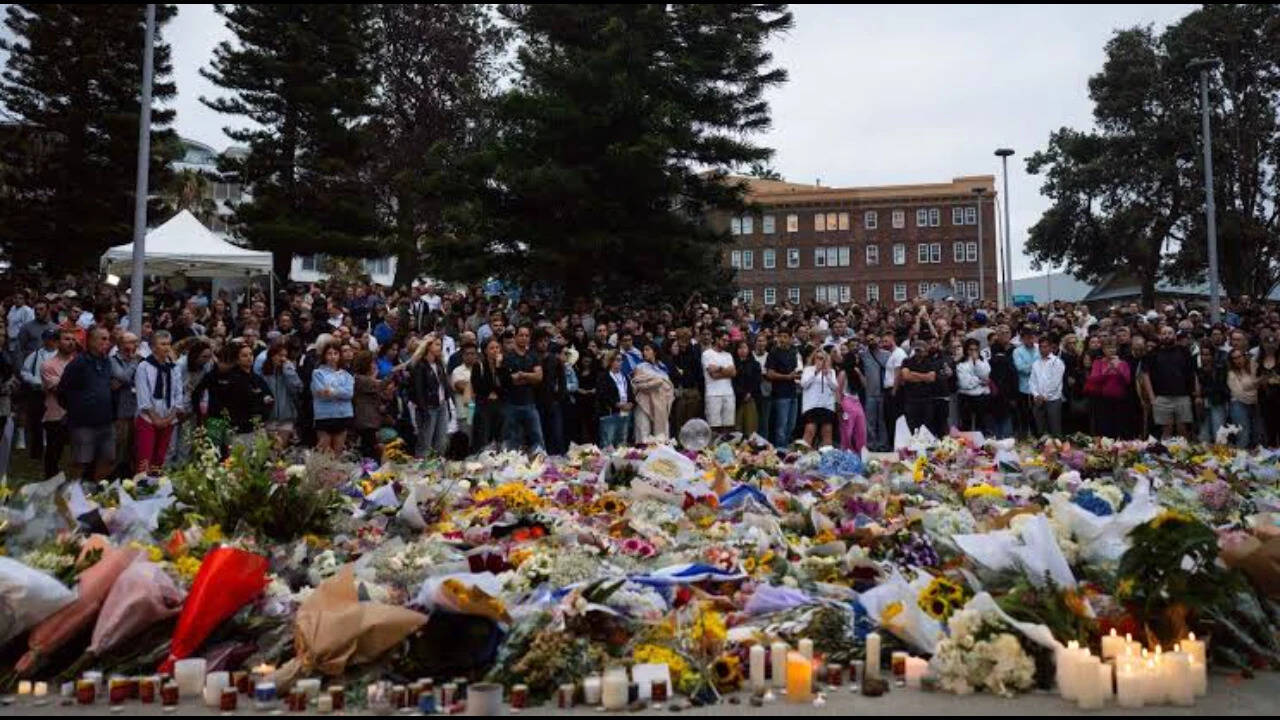
Following the horrific December 14, 2025 mass shooting at Bondi Beach—where gunmen opened fire on a crowd attending a Hanukkah celebration, killing 15 people and injuring dozens—the New South Wales (NSW) state and Australian federal governments established financial support structures. These assistance programs are designed to help genuine survivors recover. Under the state support scheme, victims hit by gunfire or shrapnel are eligible for a 35,000 Australian dollar lump sum payment, alongside medical expense coverage.
Cyril allegedly saw an opportunity in these payouts. Investigators state that he claimed he was struck by shrapnel during the carnage, submitting paperwork to secure financial advantage.
There was just one fatal flaw in his scheme: police say he was never even at Bondi Beach when the shooting occurred.
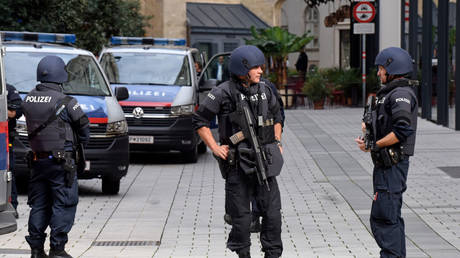
Detectives from the NSW Police Homicide Squad stumbled upon the discrepancy during separate investigations. As authorities combed through accounts and evidence, inconsistencies surfaced regarding Cyril's whereabouts on that December day. Investigators realized his injury narrative was entirely fictitious, cooked up solely to harvest payout money from a community fund meant for real trauma victims.
From Arrest to Imminent Deportation
The legal fallout was swift. Police arrested Cyril at a station in Parramatta, western Sydney. He was formally charged with publishing false or misleading material to obtain a financial advantage and making a false representation that triggered a wasteful police investigation.
Beyond the criminal charges handled by the local court system, Cyril faced immediate action from immigration authorities. Reports confirmed that he had been in Australia on an expired visa. Following his arrest, Australian Border Force officers intercepted him and transferred him directly to the Villawood Immigration Detention Centre. He now faces mandatory deportation once his criminal matters and court appearances conclude.
Community leaders and legal advocates expressed outrage over the stunt. Public figures noted that diverting limited police resources and administrative bandwidth to chase down fabricated claims while the community deals with ongoing security challenges is deeply damaging.
What This Case Reveals About Disaster Oversight
Governments have tightened their verification processes for emergency relief funds to prevent opportunistic abuse. Modern forensic investigations cross-reference mobile telemetry, witness testimonies, emergency service logs, and hospital admissions. Anyone attempting to file fraudulent claims under emergency support programs underestimates the depth of digital forensics and investigative auditing.
Fraud investigators don't take claims at face value. Every dollar disbursed from public relief funds undergoes rigorous checks. When individuals try to game the system, they don't just face minor fines; they face felony charges, public exposure, and immediate removal from the country.
Never assume paper trails or digital claims go unchecked after a major crisis. Authorities possess the tools to verify who was present and who wasn't. If you or someone you know is tracking disaster relief rules, absolute transparency is the only viable path forward.